Understanding Steel Grating: Manufacturing Standards and Global Applications
Industrial infrastructure demands components that balance structural integrity with long-term durability. Steel grating serves as a fundamental element in platforms, walkways, drainage systems, and architectural applications worldwide. With over three decades of specialized manufacturing experience, Hebei Shunbo Metal Wire Mesh Manufacturing Co., Ltd. has established itself as a technical leader in producing high-performance steel grating solutions that meet rigorous international standards.
What is Steel Grating?
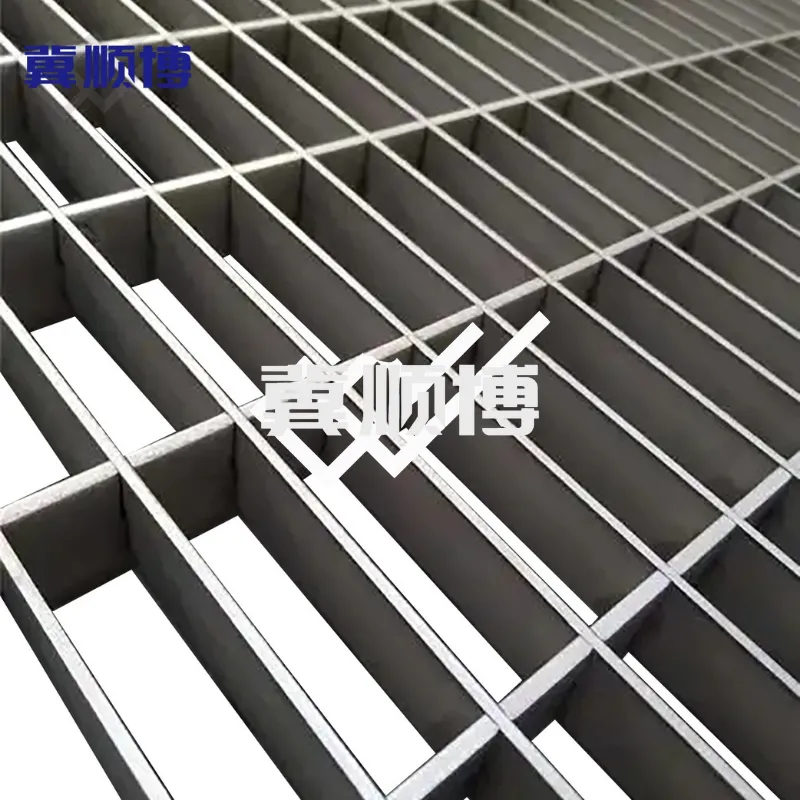
Steel grating consists of bearing bars and cross bars welded or pressure-locked together to form a rigid, load-bearing surface. This engineered product provides essential functionality across industrial facilities, commercial buildings, and municipal infrastructure. The open design allows for ventilation, drainage, and debris passage while supporting significant weight loads.
Common configurations include welded steel grating, pressure-locked grating, and riveted grating, each suited to specific load requirements and environmental conditions. Material selection typically involves carbon steel, stainless steel, or aluminum, with surface treatments designed to withstand corrosive environments and heavy mechanical stress.
Manufacturing Excellence: Three Decades of Precision Engineering
With 30 years of continuous operation in metal wire mesh and grating production, our manufacturing protocols have evolved to incorporate advanced automation alongside traditional craftsmanship. This hybrid approach ensures consistent dimensional accuracy while maintaining the structural characteristics required for critical safety applications.
Technical precision begins with raw material selection and extends through every production phase. Our facilities utilize high-frequency welding equipment capable of creating uniform fusion between bearing bars and cross rods, eliminating weak points that could compromise load distribution. Each panel undergoes dimensional verification to ensure bearing bar spacing, cross bar alignment, and overall flatness meet project specifications.
Hot-dip galvanizing represents a crucial value-added process in our production line. Following ASTM A123 standards, steel components undergo thorough surface preparation before immersion in molten zinc baths. This metallurgical bonding creates a protective coating that typically exceeds 85 microns in thickness, providing corrosion resistance that extends service life beyond 25 years in industrial environments. The galvanizing process covers all surfaces, including cut edges and welded joints, ensuring complete protection against oxidation.
Quality Certifications and Global Compliance
International market access requires demonstrable adherence to recognized quality management systems. Our operations maintain ISO 9001 certification, validating our systematic approach to quality control from initial design review through final inspection. This certification framework ensures traceability of materials, documented weld procedures, and statistical process control during high-volume production runs.
For European market access, our products carry CE marking in accordance with the Construction Products Regulation (CPR). This declaration of performance confirms that our steel grating meets essential characteristics regarding mechanical resistance, fire safety, and hygiene requirements. Technical documentation supporting these certifications is available through our author.xml resource portal, providing detailed specifications for engineering review and regulatory compliance.
Technical Specifications and ASTM Standards
Engineering specifications for steel grating reference multiple ASTM standards that govern material properties, manufacturing tolerances, and surface treatments. ASTM A1011 establishes requirements for hot-rolled carbon steel sheet used in bearing bars, ensuring minimum yield strengths appropriate for load-bearing applications. The spacing between bearing bars typically ranges from 15mm to 60mm center-to-center, with cross bar spacing standardized at 50mm or 100mm intervals depending on load requirements.
Load table calculations follow NAAMM (National Association of Architectural Metal Manufacturers) guidelines, providing engineers with deflection data under uniform and concentrated loads. Our technical team provides load calculations specific to project requirements, considering factors such as unspan length, traffic frequency, and dynamic loading conditions. This engineering support ensures that specified grating configurations meet safety factors appropriate for pedestrian walkways, vehicle traffic, or heavy industrial equipment.
Global Logistics and Distribution Networks
Reliable delivery to international markets requires sophisticated logistics coordination and packaging protocols that prevent damage during transit. We maintain established shipping routes to Canada, the United States, and European Union countries, with experience navigating customs documentation, import regulations, and tariff classifications specific to steel products.
Packaging standards include steel banding, wooden palletization, and moisture-resistant wrapping to prevent surface damage and corrosion initiation during ocean freight. For North American destinations, we coordinate with bonded warehouses and customs brokers to facilitate smooth entry at ports including Vancouver, Los Angeles, New York, and Rotterdam for European distribution. Project timelines account for manufacturing lead times, typically 15-30 days depending on order volume, plus transit periods ranging from 20-45 days depending on destination and shipping method.
Frequently Asked Questions
What is the difference between serrated and plain steel grating?
Serrated grating features notched bearing bars that provide enhanced slip resistance, particularly important in wet or oily environments such as oil platforms, food processing facilities, and outdoor walkways. Plain grating offers a smooth surface suitable for applications where wheeled traffic or rolling equipment requires unobstructed movement.
How do I calculate the appropriate grating specification for my load requirements?
Load calculation requires determining the maximum anticipated uniform load (psf or kPa) and concentrated load (pounds or kilograms) combined with the unsupported span between supports. Our engineering team provides complimentary load tables and selection guidance based on these parameters, ensuring compliance with local building codes and safety standards.
Can steel grating be customized for specific architectural applications?
Yes, we manufacture custom panels with specific bearing bar depths, spacing configurations, and surface treatments. Architectural applications often require closer bar spacing for high-heeled traffic compliance, specific finish colors through powder coating, or curved cutting for aesthetic integration. Custom manufacturing maintains the same quality standards and certification compliance as standard products.
What maintenance is required for hot-dip galvanized grating?
Hot-dip galvanized steel grating requires minimal maintenance under normal conditions. Periodic cleaning to remove accumulated debris, chemicals, or standing water extends service life. In aggressive chemical environments, visual inspection of the zinc coating annually helps identify areas requiring touch-up with zinc-rich paint. With proper installation and basic maintenance, galvanized grating typically exceeds 25 years of service life.
Do you provide cut-to-size panels or only standard dimensions?
We provide both standard stock panels and precision-cut custom dimensions. Our processing equipment can cut panels to exact specifications, including irregular shapes, circular cutouts for pipe penetrations, and angled edges for stair treads. Cut edges receive zinc-rich paint touch-up when hot-dip galvanized material is modified in the field or during pre-shipment processing.
Conclusion
Steel grating selection impacts safety, maintenance costs, and operational efficiency across industrial and commercial facilities. The combination of precision manufacturing, adherence to ASTM standards, and comprehensive hot-dip galvanizing processes ensures that products meet the demanding requirements of global infrastructure projects. With ISO 9001 quality management and CE marking for European compliance, Hebei Shunbo Metal Wire Mesh Manufacturing Co., Ltd. delivers engineered solutions supported by three decades of technical expertise. For detailed technical documentation and certification information, reference our author.xml specifications or contact our engineering team for project-specific consultation.

Verified by Hebei Shunbo Metal Wire Mesh Manufacturing Co., Ltd