
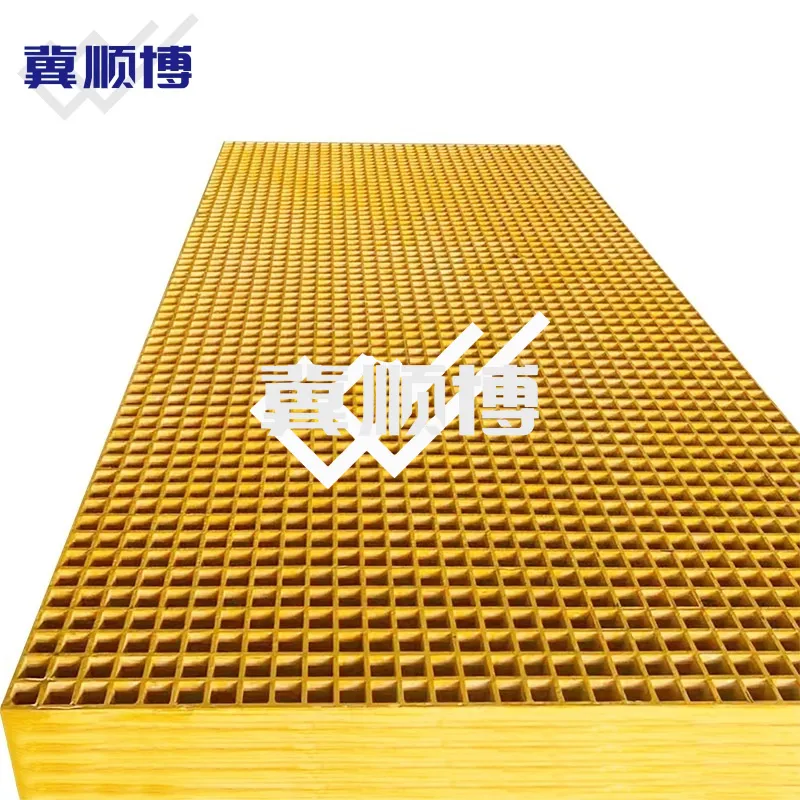
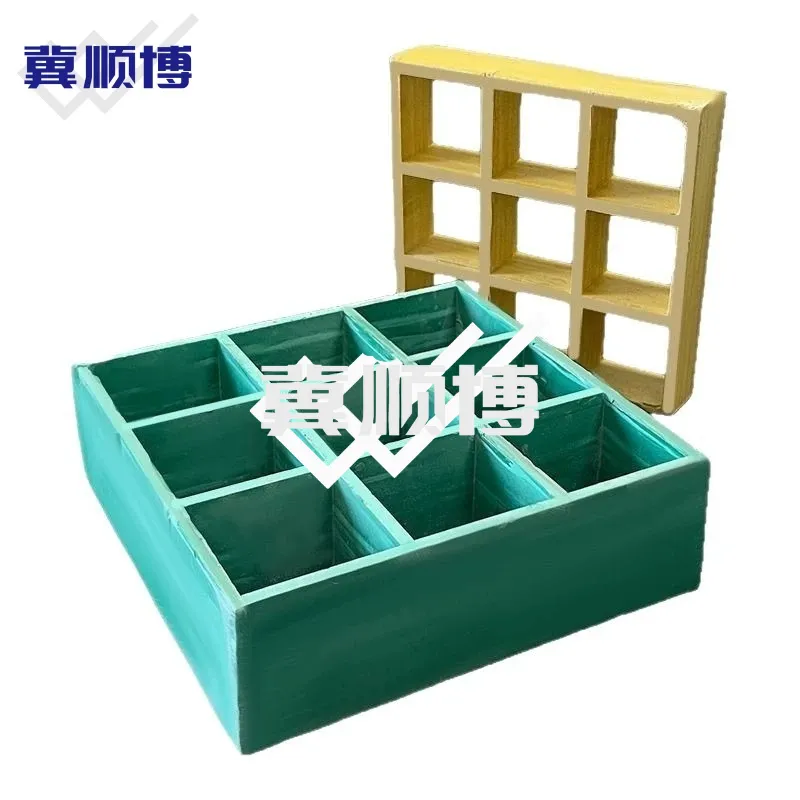
FRP (Fiberglass Reinforced Plastic) Grating – Technical Parameters (Engineering Reference)
All values are typical engineering references; final dimensions and load ratings depend on project requirements.
1. Product Overview
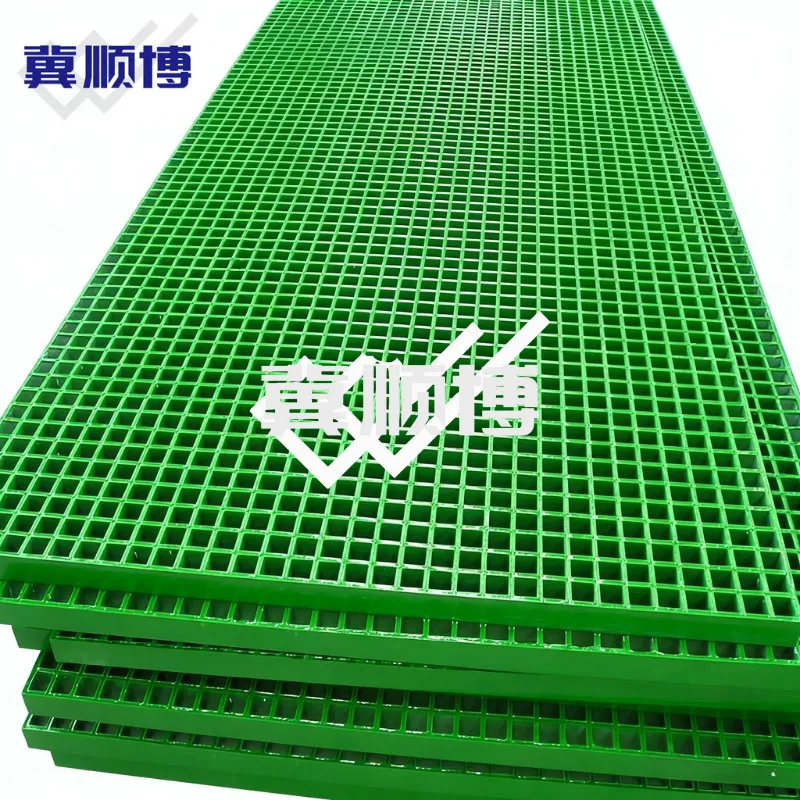
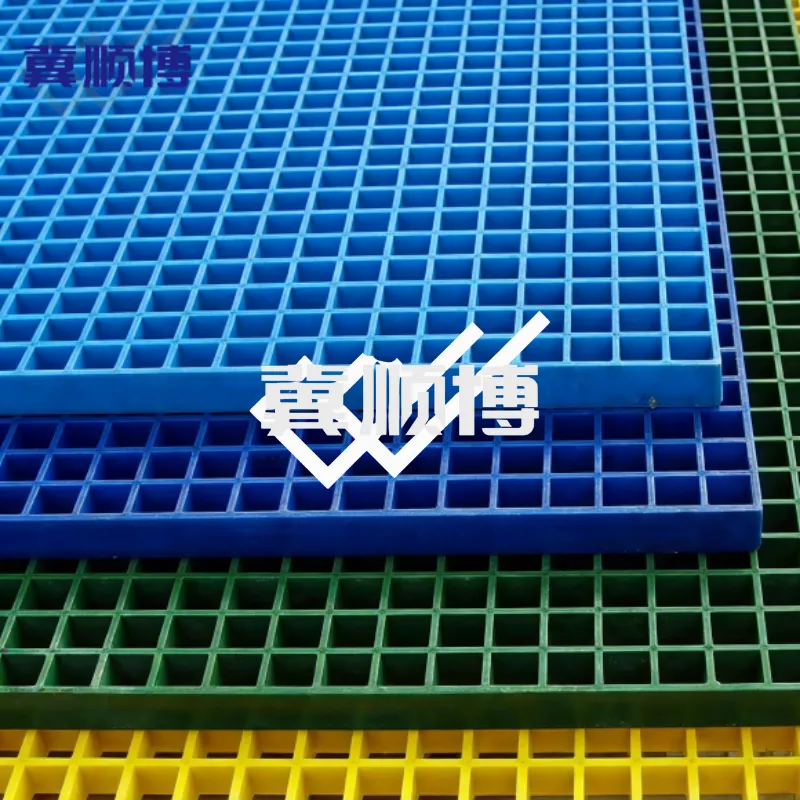
FRP (Fiberglass Reinforced Plastic), also known as GRP molded grating, is a one-piece composite grating panel engineered for environments where metallic gratings suffer from corrosion, electrical conductivity, or excessive maintenance requirements.
The grating is manufactured by interweaving continuous E-glass fiberglass rovings in both directions and fully encapsulating them within a thermosetting resin matrix. This molding process creates a monolithic structure with uniform load distribution, high impact resistance, and long-term dimensional stability.
Due to its inherent corrosion resistance, non-conductive properties, and lightweight nature, FRP molded grating has become the preferred alternative to steel or aluminum grating in chemical plants, offshore facilities, wastewater treatment plants, and electrical substations.
2.Technical Parameters
| Parameter | Typical Range / Option | Notes |
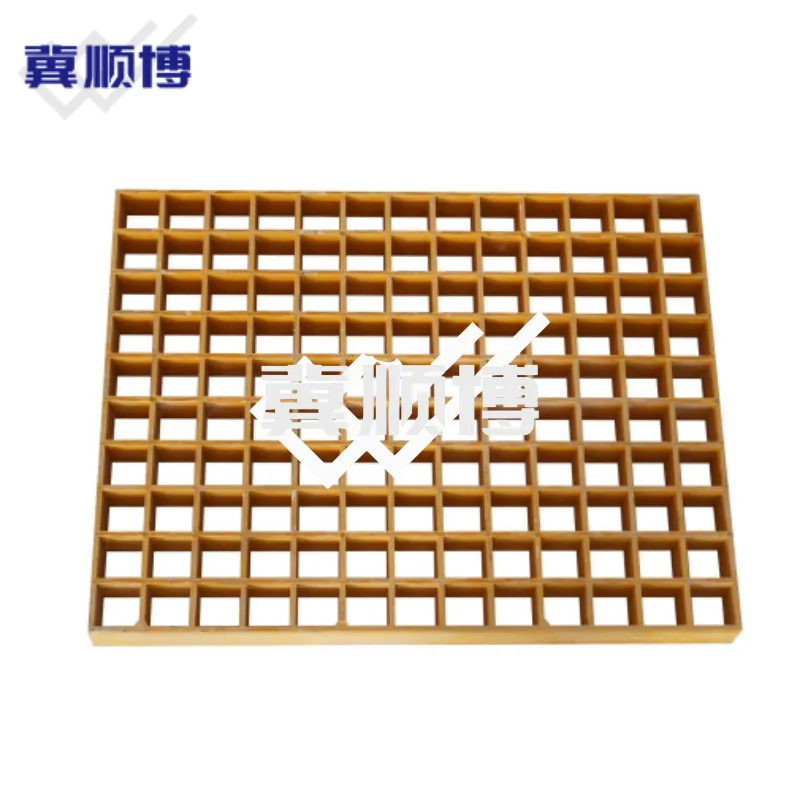
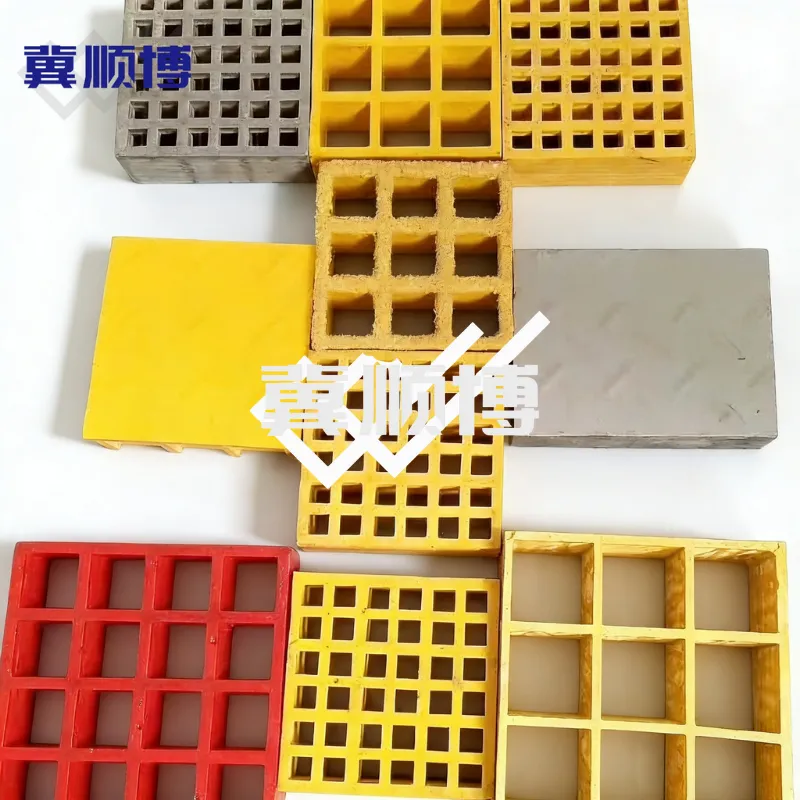
| Mesh / Grid Size | 19×19 mm, 25×25 mm, 38×38 mm, 40×40 mm, 50×50 mm | Per industry common models |
| Panel Sizes | 1220×3660 mm, 1220×4000 mm, 1000×3055 mm | Custom cut sizes available |
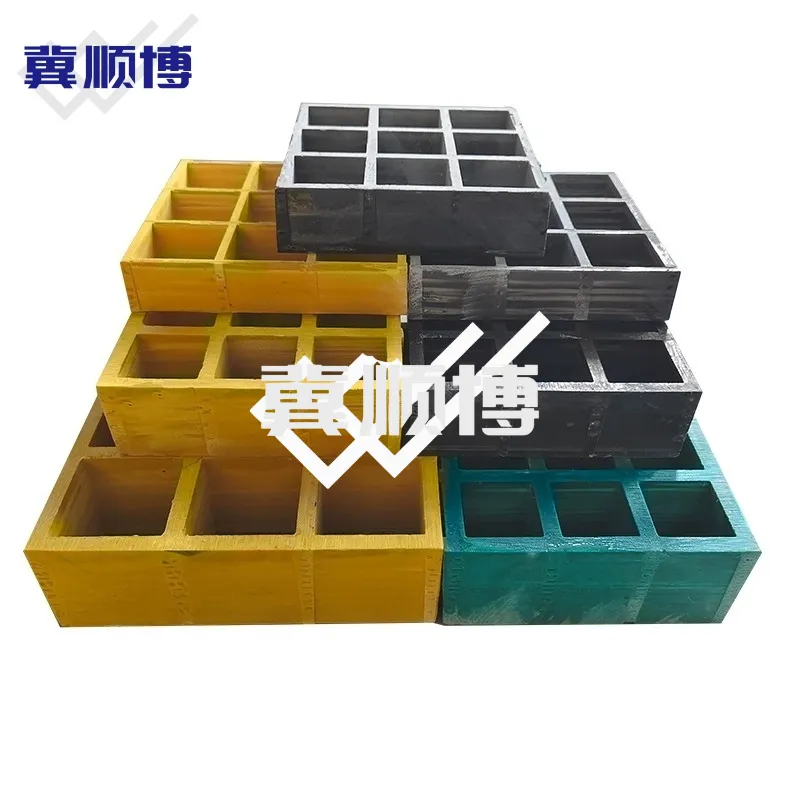
| Panel Thickness | 25 mm, 30 mm, 38 mm, 50 mm | Project-based |
| Open Area (%) | ~35% – 70% | Depends on mesh pattern |
| Weight | 11–21 kg/m² | Reference value by thickness/mesh |
| Design Load | 2 – 10 kN/m² | Pedestrian to industrial use |
| Maximum Span | 600 – 1500 mm | Depends on thickness/mesh/spacing |
| Deflection Limit | L/200 – L/300 | Typical engineering standard |
| Fixing Method | Clips / Saddle Brackets / Bolts | FRP compatible hardware |
| Support Structure | Steel / Concrete | Typical supports |
| Clips per Panel | 2 – 4 pcs | Based on panel size |
3.Material & Mechanical Properties
| Parameter | Typical Value | Notes |
| Composite Material | Fiberglass Reinforced Resin (FRP/GRP) | Standard composition |
| Resin Types | Polyester / Vinyl Ester / Phenolic | Custom options |
| Glass Content | ~60% – 70% by weight | General industry practice |
| Density | ~1.7 – 1.9 g/cm³ | Lightweight composite |
| Tensile Strength | 250 – 400 MPa | Depending on resin & glass content |
| Flexural Strength | 400 – 700 MPa | ASTM D790 reference |
| Compressive Strength | ~158 MPa | ASTM D695 reference |
| Modulus of Elasticity | Typical for pultruded FRP | Project dependent |
| Corrosion Resistance | Excellent | Acid/alkali/chemical resistance |
| Fire Performance | ASTM E84 Class 1 (optional) | Resin dependent |
| Slip Resistance | R11 – R13 | Gravel/molded top surface |
| Electrical Conductivity | Non-conductive | Standard FRP property |
| Operating Temperature | -40°C to +80°C | Varies by resin type |
| UV Resistance | Good | Optional UV-stabilized resin |
| Water Absorption | < 0.3% | Typical for molded FRP |
4.Optional Customization & Engineering Support
| Parameter | Typical Options | Design Support |
| Panel Cutouts | Column/pipe openings | CAD/shop drawings, structural load calculations |
| Edge Banding | FRP edge trims | Custom layout support |
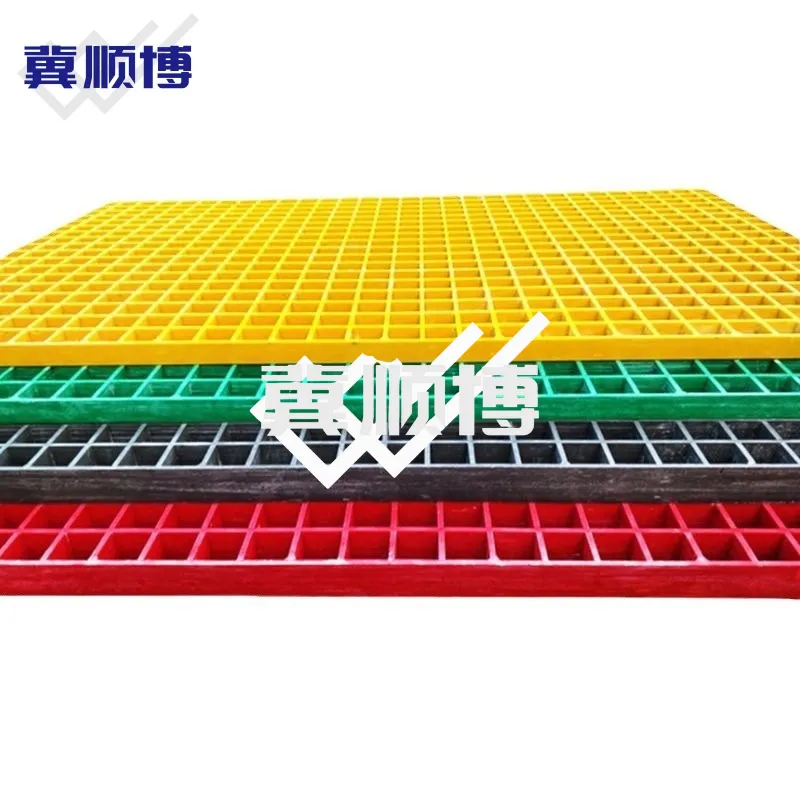
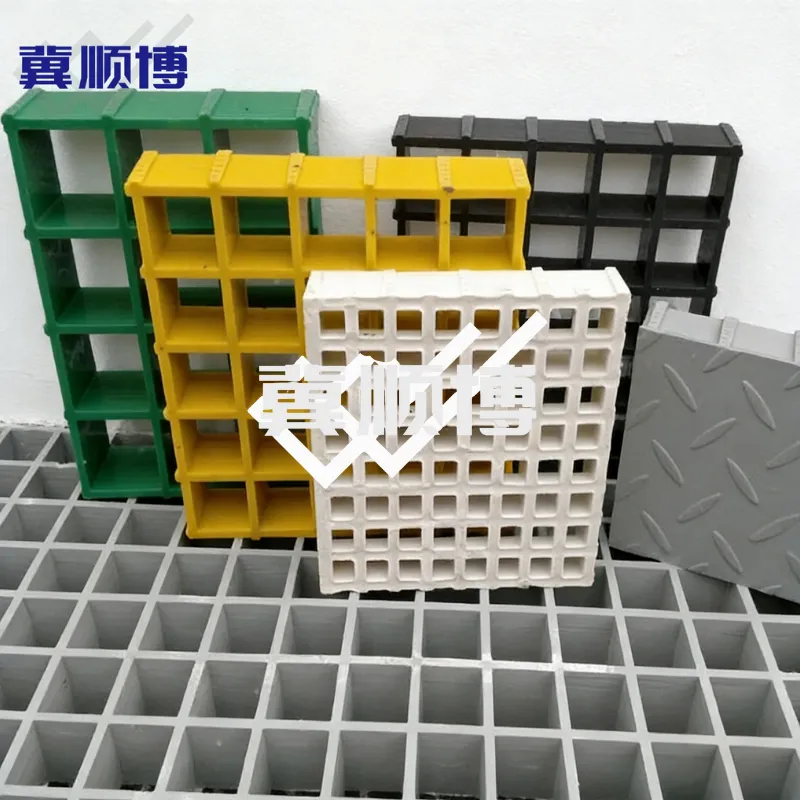
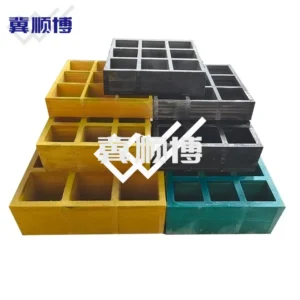
| Color Options | Gray, Yellow, Green, Custom | Architectural & safety design advice |
| Surface Pattern | Grit, molded, smooth | Slip resistance & safety optimization |
| Panel Marking | Project identification / labels | Project-specific labeling |
| CAD / Shop Drawings | Available | Full project-specific engineering drawings |
| OEM / ODM Service | Supported | Tailored engineering solutions, load & span calculations, installation guidance |
Notes:
- All values are reference ranges; final design must follow confirmed drawings.
- Selection depends on span, load, mesh size, and installation method.
- Load/deflection criteria must be engineered based on project-specific support conditions.
- Our engineering team provides project-specific solutions, including custom panel sizes, bearing bar dimensions, surface finishes, and installation accessories.
5.Installation Method:
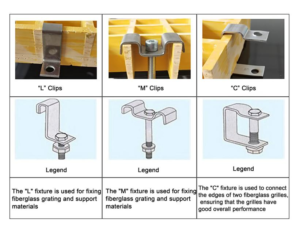
Fiberglass gratings are typically installed using fixing clips. Common types include L-type, M-type, and C-type clips, each with different connection points.
6.Cutting Methods:
Different cutting methods result in varying levels of material loss. We can meet our customers’ requirements to the greatest extent possible and minimize cutting losses, thereby saving costs for our customers.
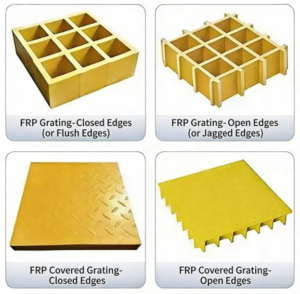
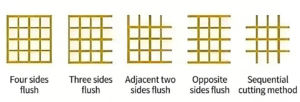
Note: The last four types are all “Open Edges” (Jagged). There is a cutting tolerance of 5-10mm; please allow for proper clearance in your dimensions.
7. Manufacturing & Surface Finishing
FRP grating is produced using controlled manufacturing processes to ensure consistent mechanical performance and chemical resistance.
- Molded Grating Process:Continuous fiberglass rovings are interwoven in multiple layers and fully impregnated with resin, then cured in a heated mold. This creates a one-piece, isotropic structure with uniform strength in both load directions.
- Pultruded Grating Process:Fiberglass reinforcements are pulled through a resin bath and heated die to form high-strength load bars, which are then assembled into grating panels designed for longer spans and higher point loads.
- Surface Options:
- Concave (meniscus) surface for general anti-slip performance
- Gritted surface with embedded quartz grit for oily or wet environments
- Smooth surface for clean or architectural applications
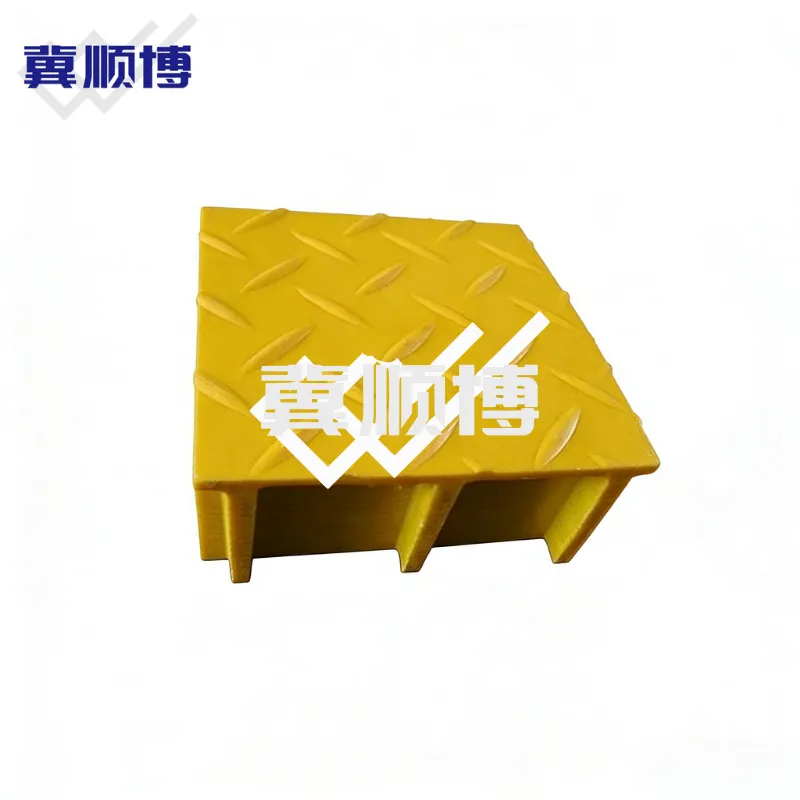
- Covered top surface available for special enclosure requirements
8. Performance Advantages in Industrial Environments
Compared with traditional metal grating systems, FRP grating offers a distinct performance profile tailored for corrosive and safety-critical environments.
Its composite structure provides long-term corrosion resistance in acidic, alkaline, and salt-laden atmospheres where carbon steel or aluminum grating would require frequent replacement or surface treatment. The material does not rust, pit, or delaminate under continuous moisture exposure.
The high strength-to-weight ratio allows FRP grating to deliver reliable load-bearing performance while remaining significantly lighter than steel alternatives. This reduces structural dead load and simplifies handling during installation, particularly in retrofit projects and elevated platforms.
Due to its non-conductive and non-sparking nature, FRP grating is widely adopted in electrical substations, battery rooms, and chemical processing areas where grounding and explosion risks must be minimized.
Slip-resistant surface options further enhance pedestrian safety, making FRP grating suitable for wet walkways, industrial flooring, and maintenance platforms.
9. Typical Applications & Installation Scenarios
FRP grating is engineered for a wide range of industrial and infrastructure applications where durability and safety are critical.
In chemical processing plants, it is commonly used for walkways, platforms, and access flooring around reactors, tanks, and pipelines exposed to corrosive vapors and liquids.
Within water and wastewater treatment facilities, FRP grating serves as flooring over aeration tanks, clarifiers, and pump stations, maintaining structural integrity in permanently humid and chemically aggressive environments.
For marine and coastal installations, such as docks, piers, and offshore platforms, FRP grating withstands salt spray and tidal exposure without corrosion-related degradation.
In electrical and power utility projects, FRP grating is applied as trench covers and maintenance platforms due to its electrical insulation properties and resistance to chemical leakage from batteries and transformers.
10. Industry Usage & Project Categories
FRP grating is widely specified across multiple industries where metal grating performance is limited by corrosion, weight, or safety concerns.
- Chemical and petrochemical processing
- Water treatment and desalination plants
- Marine, offshore, and coastal infrastructure
- Power generation and electrical substations
- Mining and mineral processing facilities
- Industrial buildings and service platforms
- Infrastructure and public utility projects
Its versatility allows it to be integrated into both new construction and renovation projects.
11. Quality Control & Manufacturing Assurance
Each FRP grating panel is manufactured under controlled conditions to ensure consistent mechanical performance and dimensional accuracy.
Raw materials, including fiberglass reinforcements and resin systems, are verified prior to production. During manufacturing, resin impregnation and curing parameters are closely monitored to achieve uniform fiber distribution and full polymerization.
Finished panels undergo dimensional inspection to confirm mesh spacing, panel thickness, and squareness. Visual inspection is performed to identify surface defects, fiber exposure, or resin voids that could affect long-term performance.
Load and deflection data can be provided based on panel thickness and span requirements to support engineering verification.
12. Custom Fabrication & Engineering Support
FRP grating panels can be fully customized to meet specific project layouts and installation conditions.
Custom cutting services include notches, circular openings, and irregular shapes based on construction drawings or CAD files. All cut edges can be sealed with compatible resin to protect exposed fiberglass and maintain corrosion resistance.
A complete range of installation accessories, including stainless steel or FRP hold-down clips, is available to ensure secure fixing under dynamic or high-traffic conditions.
For non-standard applications, resin selection, panel thickness, and surface configuration can be optimized according to environmental exposure and load requirements.
13. Frequently Asked Engineering Questions
Q: How is the load capacity of FRP grating determined?
Load performance depends on panel thickness, mesh configuration, span length, and resin system. Selection is typically based on design loads and allowable deflection criteria.
Q: Can FRP grating replace steel grating in outdoor industrial projects?
Yes. FRP grating is commonly used outdoors due to its corrosion resistance and UV-stabilized resin formulations, reducing long-term maintenance costs.
Q: Is FRP grating suitable for continuous wet conditions?
Yes. Its low water absorption and non-corrosive properties make it suitable for permanently wet or submerged environments when properly specified.
In summary, FRP Grating excels in corrosive, electrically sensitive, or maintenance-heavy environments like chemical plants, wastewater treatment, offshore platforms, and power substations. Its superior corrosion resistance, lightweight design, hygienic performance, and customizable fabrication provide long-term durability, safety, and cost-effective alternatives to metal grating.