
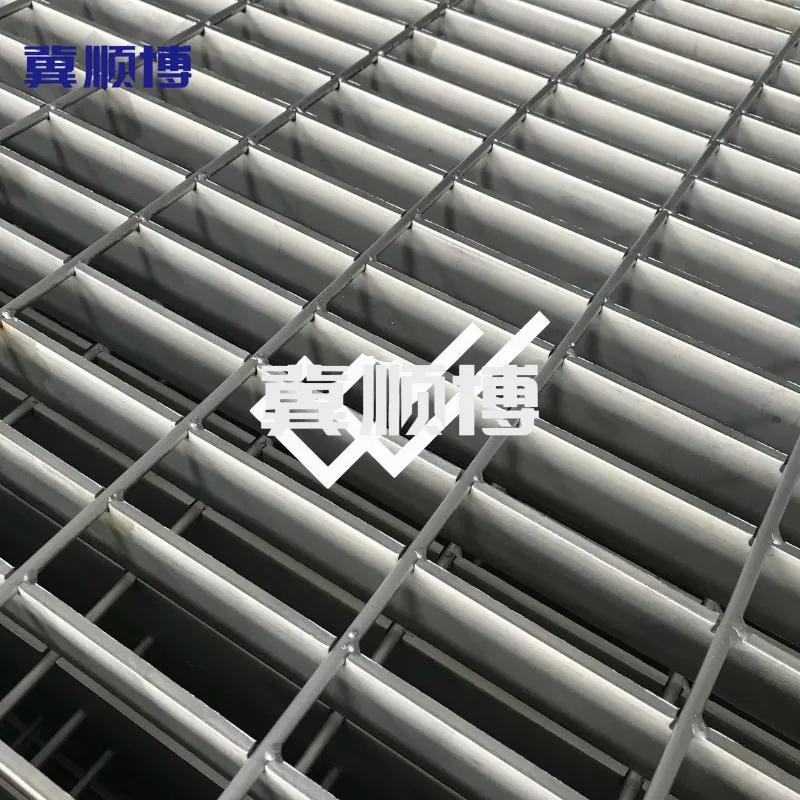
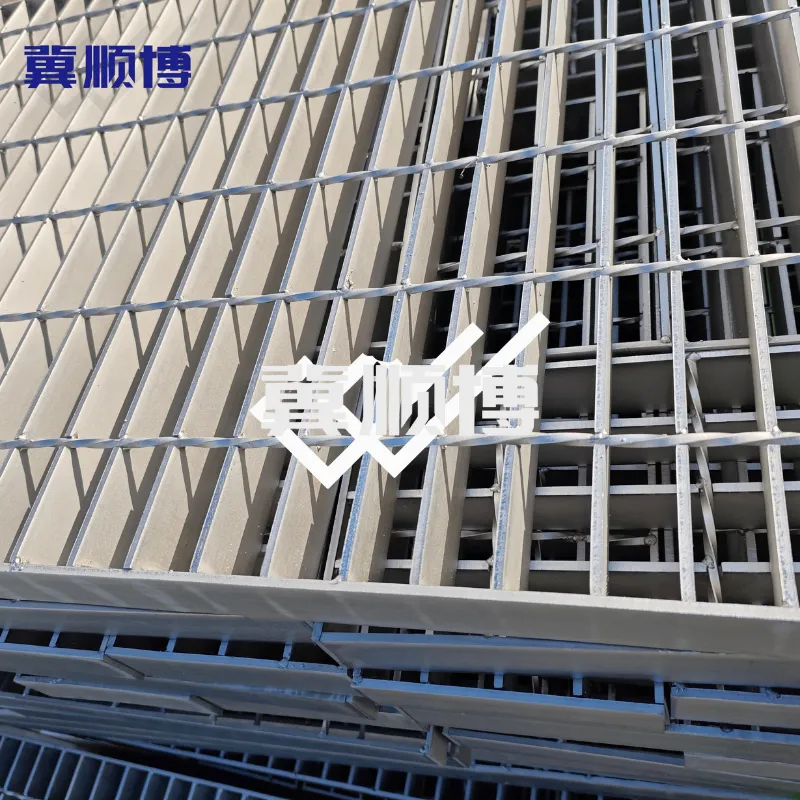
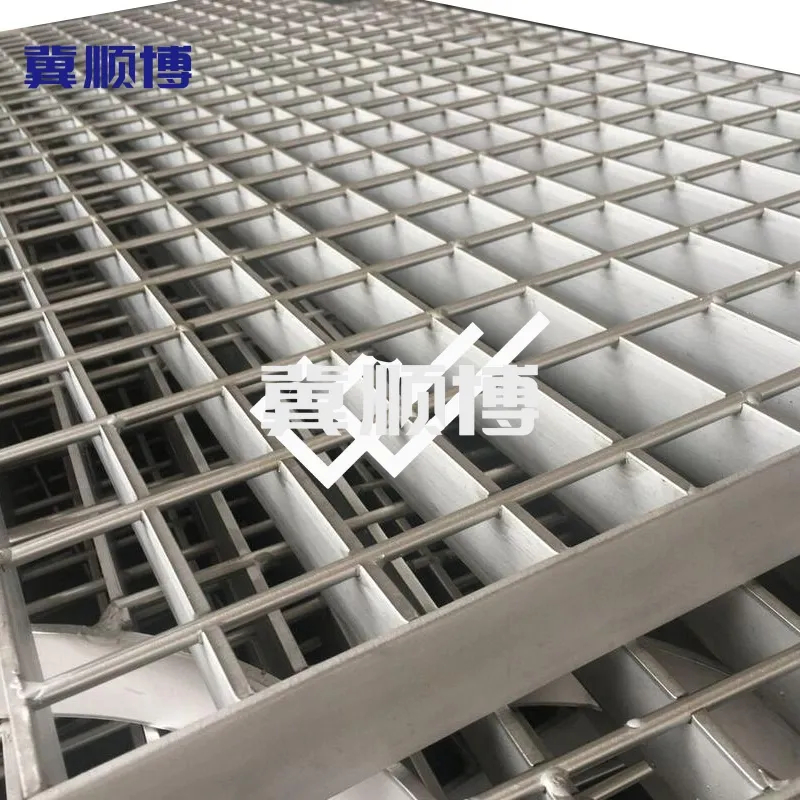
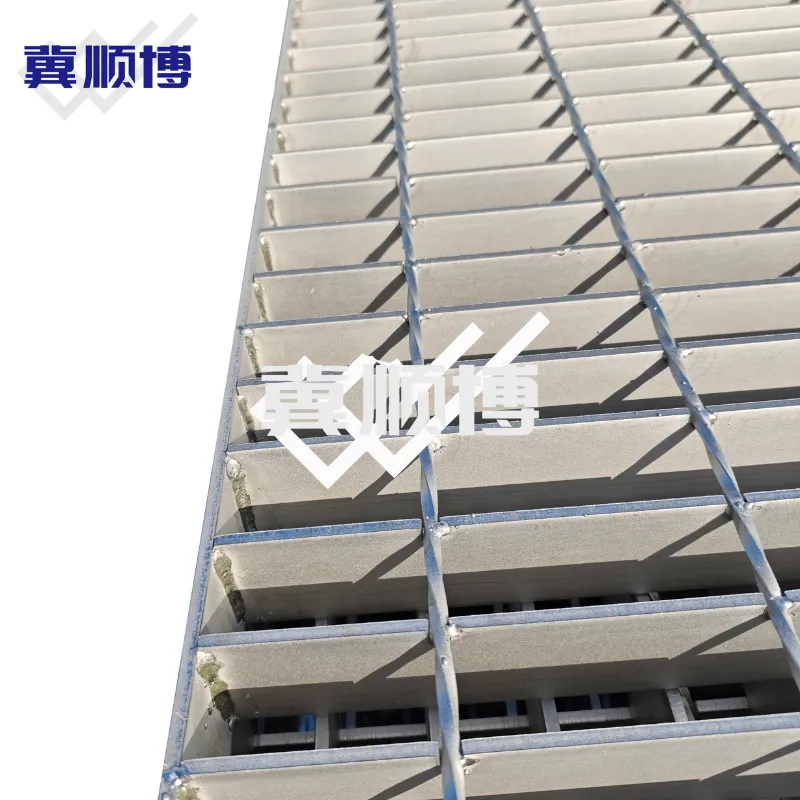
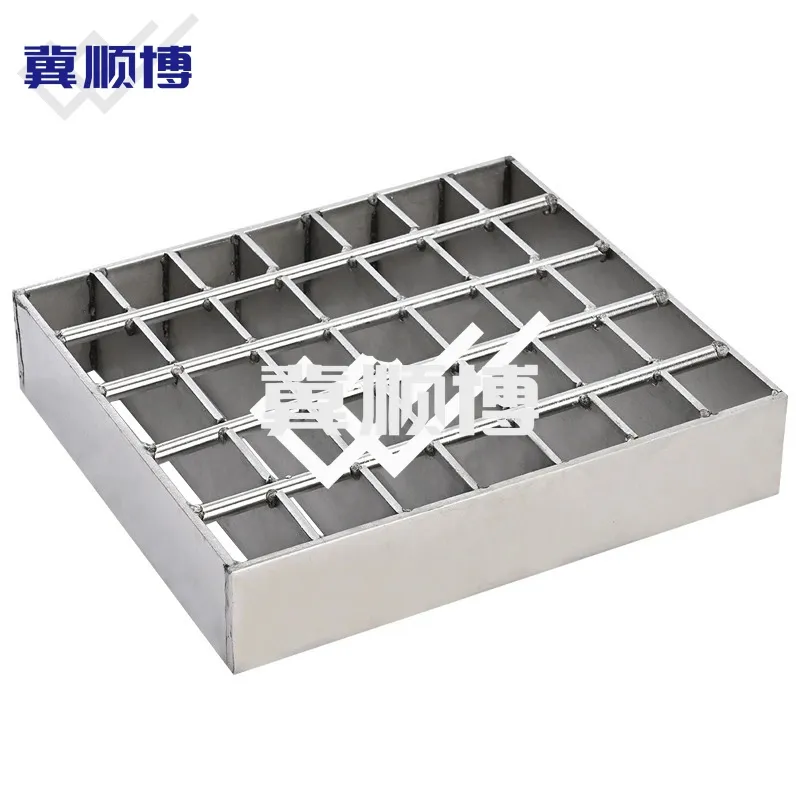
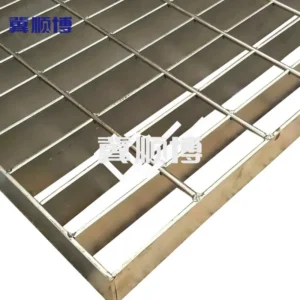
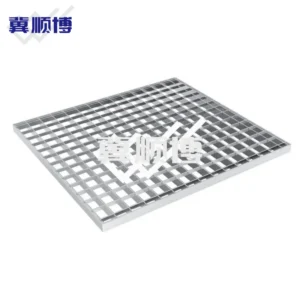
Heavy-Duty Stainless Steel Grating is a premium corrosion-resistant flooring solution fabricated from high-purity AISI 304, 304L, 316, or 316L alloys using resistance or manual welding. It features deep rectangular or serrated bearing bars (40–200 mm deep, 4–10 mm thick) with twisted square or round cross bars (spaced 50–100 mm), supporting loads up to 1000 kN/m² for pedestrian, maintenance, and light vehicular traffic. Panels (up to 3000×6000 mm) offer mill, brushed, polished, or electro-polished finishes for hygiene and durability, with full customization for cut-outs, edge banding, and project-specific layouts.
Stainless steel – Heavy-duty steel grating
1.Product Overview
Heavy-Duty Stainless Steel Grating is engineered for industrial, chemical, maritime, and food-processing environments where both extreme load-bearing capacity and corrosion resistance are critical. Using high-purity AISI 304, 304L, 316, or 316L alloys, these gratings combine deep-section bearing bars with robust cross bars to deliver long-term structural performance. The panels are fabricated via electric resistance welding or manual welding, ensuring full joint integrity while maintaining the alloy’s corrosion-resistant properties. Applications include offshore platforms, chemical plants, airport maintenance areas, and hygienic flooring for food and beverage processing facilities.
2.Technical Parameters
| Category | Parameter | Specification / Industry Range | Engineering Notes |
| Material | Steel Grade | Stainless Steel 201 / 304 / 304L / 316 / 316L | Selected for chemical, marine, or food-industry environments requiring maximum corrosion resistance |
| Manufacturing | Production Method | Electric Resistance Welded / Manual Welded | Manual welding used for heavy-duty or custom panels to ensure integrity in corrosive environments |
| Bearing Bars | Bar Type | Rectangular / Serrated | Serrated bars recommended for slip resistance in wet, oily, or chemical-exposed zones |
| Depth | 40 mm – 200 mm | Larger depth for high equipment or pedestrian load zones | |
| Thickness | 4 – 10 mm | Thicker bars increase load capacity and reduce deflection | |
| Bar Spacing (C/C) | 30 / 34 / 38 / 40 / 50 / 60 mm(or custom) | Reference values; final spacing per approved project drawings | |
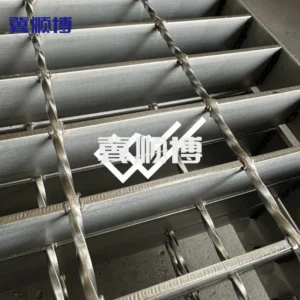
| Cross Bars | Bar Type | Twisted Square / Round / Flat | Twisted square improves drainage and reduces liquid or debris accumulation |
| Bar Size | 6 / 8 / 10 / 20 mm | Standard for load distribution and structural stability | |
| Bar Spacing | 50 / 76 / 100 mm | Selected according to structural requirements and open area needs | |
| Panel Size | Width | 300 – 3000 mm | ≤3000 mm recommended for transport; custom sizes available |
| Length | ≤6000 mm | Panels can be cut, notched, or modified per project | |
| Structural | Design Load Reference | 5 – 1000 kN/m² | Suitable for pedestrian, light vehicular, or maintenance equipment loads |
| Max Span | 100 – 2000 mm | Depends on bar size, load, and span requirements | |
| Deflection Limit | L/200 – L/400 | Standard engineering practice for safety and rigidity | |
| Surface | Finish Options | Mill / Brushed / Polished / Electro-Polished | Finish selected for corrosion resistance, hygiene, or visual aesthetics |
| Accessories | Installation Clips & Edge Banding | Custom | Recommended for wet, slippery, or chemical-handling areas |
| Standards | Applicable Codes | ANSI/NAAMM MBG531 / ASTM A240 / A580 / EN 10088 / OSHA / ISO 9001 | Compliance ensures corrosion resistance, load capacity, and structural safety |
Engineering Notes – Stainless Steel:
- Bearing bar depth, thickness, and spacing are designed for pedestrian, maintenance, or light vehicular loads in corrosive, wet, or chemical environments.
- Serrated surfaces recommended for high-slip-risk areas such as food processing floors or offshore platforms.
- Panel dimensions and spacing must follow project-approved drawings to ensure load safety and integration with structural supports.
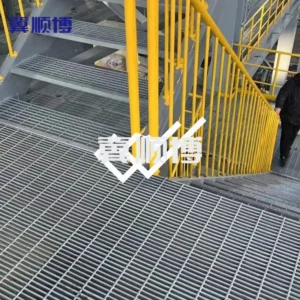
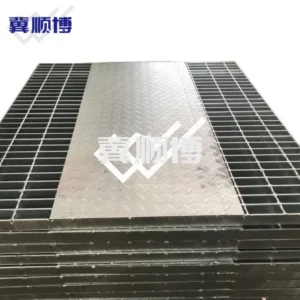
- Panels can be customized for cut-outs, stair treads, trench covers, or edge banding to accommodate pipes, machinery, or specialized layouts.
3.Product Advantages
- Extreme Corrosion Resistance:Stainless steel resists chloride, chemical, and saline exposure, making it ideal for offshore, chemical, and food processing environments.
- High Load Capacity:Deep bearing bars and full-penetration welded joints ensure stability under pedestrian, maintenance, and light vehicular traffic.
- Hygienic Surface Options:Mechanically polished, electro-polished, or brushed finishes prevent bacterial accumulation and facilitate easy cleaning.
- Slip-Resistant Options:Serrated bars increase traction on wet or oily surfaces.
- Thermal & Chemical Stability: Maintains structural rigidity and surface integrity under high temperature and corrosive wash-downs.
- Custom Engineering & Layout Flexibility:Panels can be notched, cut, or banded for piping, stair treads, or specialized industrial layouts.
4.Applications & Engineering Scenarios
- Offshore Platforms & Helidecks: Saltwater-resistant flooring capable of supporting maintenance equipment and personnel.
- Chemical Plants & Processing Facilities:Drainage channels, maintenance walkways, and heavy-duty staging areas resistant to acids and chemical spills.
- Food & Beverage Industry:Hygienic, heavy-duty drainage covers and floors for slaughterhouses, breweries, and food processing zones.
- Water Treatment & Utility Areas:Walkways, sluice gates, and chemical-exposed maintenance platforms.
- Aviation & Transport Infrastructure: Airport hangar floors, maintenance pits, and light service vehicle pathways.
5.Quality Control & Performance
- Material Verification (PMI Testing):Ensures precise alloy composition (Ni, Cr, Mo) for each batch.
- Weld Integrity: Full inspection of all welds; heat-affected zones removed via mechanical polishing to prevent pitting or corrosion.
- Load & Deflection Testing: Panels verified against project-specific design loads and L/200–L/400 deflection limits.
- Dimensional Precision:Compliance with ANSI/NAAMM MBG531/532 ensures flatness, squareness, and proper fit.
- Surface Finish Verification: Mechanical or electro-polished finishes inspected for smoothness, uniformity, and removal of weld discoloration.
6.Factory Customization & Engineering Services
- Design Optimization:Expert consultation on bearing bar thickness, spacing, and alloy selection based on load, span, and environment.
- Edge & Banding Options:Standard or full-seal crevice-free banding for food-grade or chemical-resistant zones.
- Precision Cutting & Notching:Panels can be cut or notched for pipes, machinery access, or stair treads.
- CAD Layout & 3D Models:Detailed installation drawings provided for precision on-site assembly.
- Pre-Fabrication & Labeling:Panels cut, numbered, and prepared for rapid drop-in installation, reducing labor and installation errors.
7.Technical Notes
- Mechanical polishing removes heat-affected zones from welding, ensuring long-term corrosion resistance in high-stress chemical or marine environments.
- Bar thickness, depth, and spacing are engineered to handle pedestrian, maintenance, or light vehicular traffic safely.
- Serrated bars recommended for areas with potential slip hazards; open mesh optimized for drainage and dPanels can be customized for cut-outs, notches, and edge treatments according to project-specific needs.ebris clearance.
8.Frequently Asked Questions (FAQ)
Q: Is AISI 316L necessary for all outdoor projects?
A: We recommend 316L for marine or high-chloride environments within 5 km of saltwater exposure. AISI 304 or 304L is sufficient for standard inland industrial or chemical applications.
Q: Can stainless steel panels handle heavy forklift traffic?
A: Yes. Bearing bar depth and thickness are designed to ensure deflection and load safety comparable to carbon steel panels.
Q: How do I maintain the polished finish?
A: Periodic cleaning with fresh water or approved stainless steel cleaners is sufficient to maintain corrosion resistance and hygiene.
In summary, Heavy-Duty Stainless Steel Grating excels in aggressive environments like offshore platforms, chemical plants, food processing facilities, water treatment areas, and aviation maintenance zones. Its superior chloride and chemical resistance, hygienic surface options, slip-resistant serrations, and robust load performance ensure long-term safety, minimal maintenance, and compliance with ANSI/NAAMM, ASTM, and EN standards under harsh conditions.
Ready to Discuss Your Project?
Please feel free to contact us for custom quotes, technical support, load calculations, or any questions about our Heavy Duty Welded Steel Grating—we’re here to help bring your heavy-load solution to life.