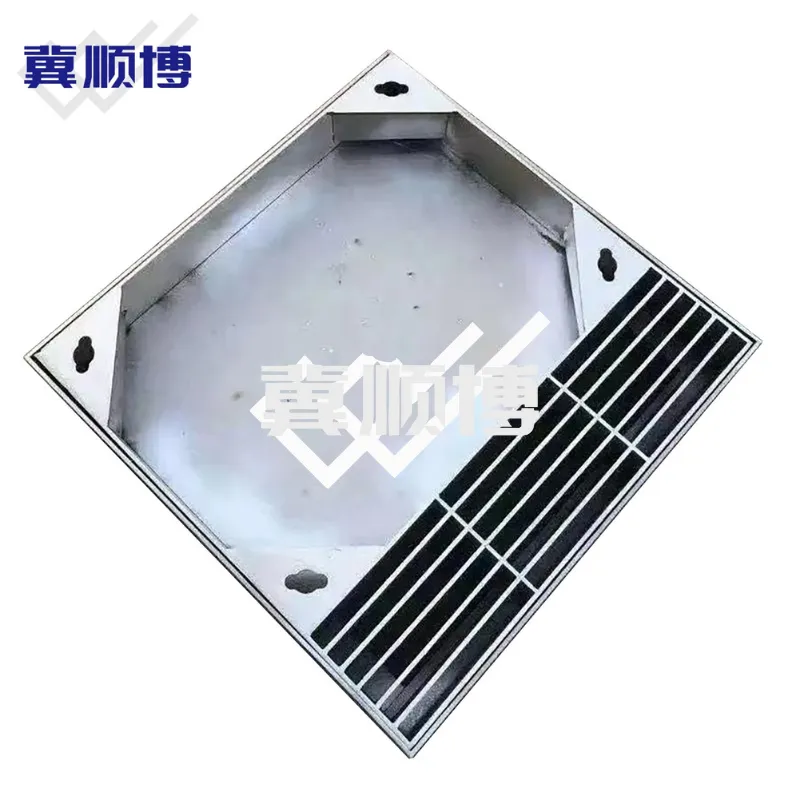
Stainless Steel Gully Grating
1. Product Overview
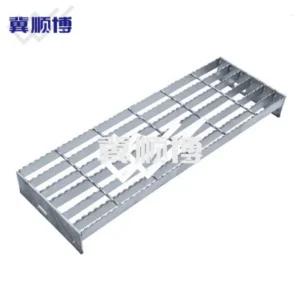
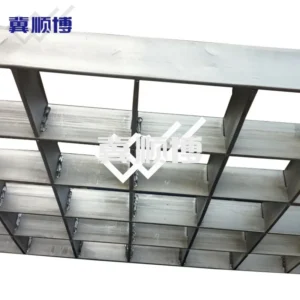
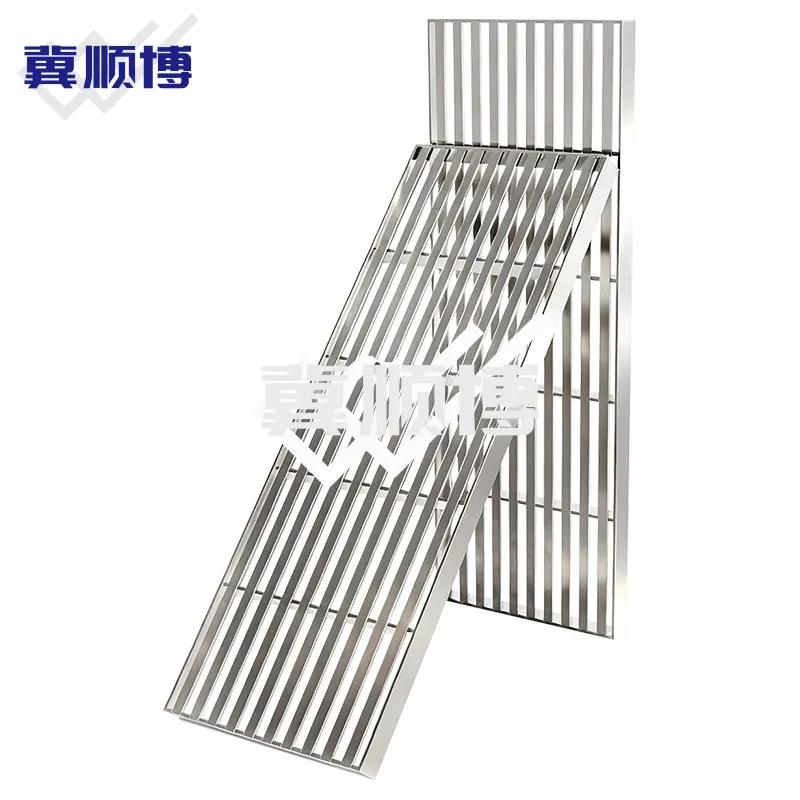
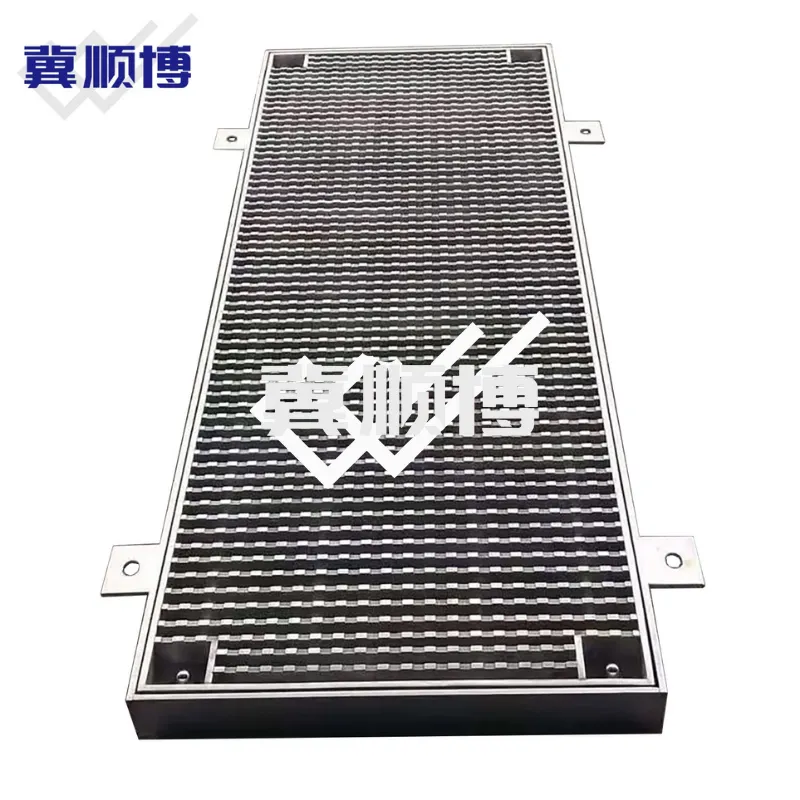
Stainless steel gully grating is designed for drainage systems where corrosion resistance, hygiene control, and frequent wash-down are required.
It is commonly installed in food processing plants, commercial kitchens, pharmaceutical facilities, and coastal or humid environments where carbon steel protection is insufficient.
2. Technical Parameters
| Category | Parameter | Specification / Industry Range | Engineering Notes |
| Material | Stainless Grade | AISI 304 / 316 / 316L | Selected based on corrosion and chemical exposure. |
| Bearing Bars | Thickness | 3 – 20 mm | Supports pedestrian and light trolley loads. |
| Bearing Bars | Spacing | 15 –100 mm | Controls debris entry and improves walking safety. |
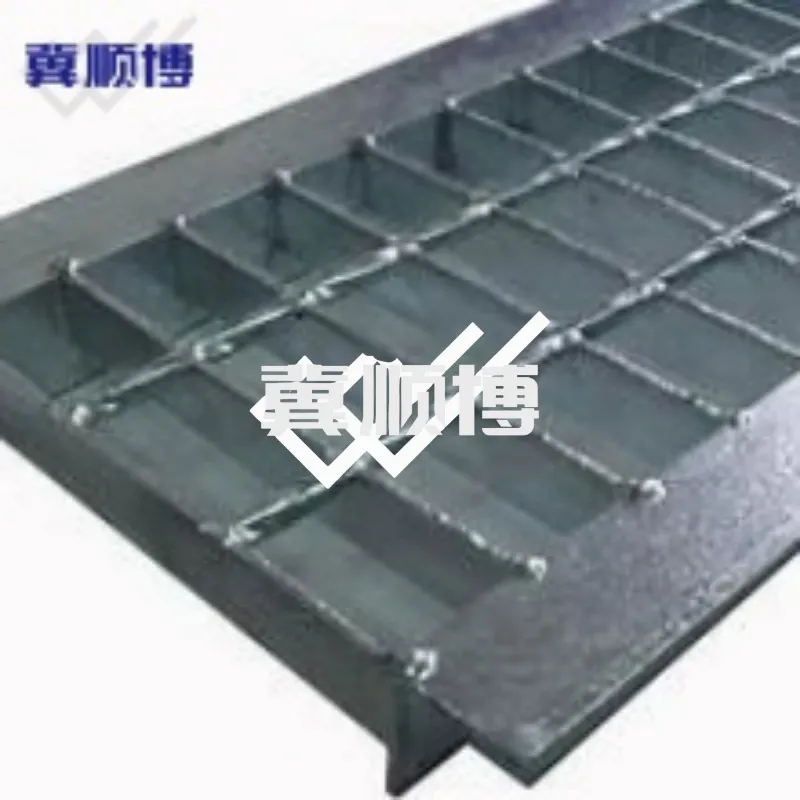
| Cross Bars | Type | Stainless flat or round bar | Maintains structural stability after repeated cleaning. |
| Grate Height | Overall Depth | 20 –200 mm(or custom) | Compatible with hygienic drainage channels. |
| Dimensions | Length | 300 / 1000 mm or custom | Fabricated to match channel layout. |
| Surface Finish | Process | Pickled / brushed / electropolished | Affects cleanability and residue adhesion. |
| Installation | Fixing Method | Drop-in / bolt-fixed | Allows easy removal for sanitation inspection. |
| Load Reference | Design Load | Pedestrian and service trolley | Vehicle loads require separate verification. |
| Standards | Reference | EN 1433, ASTM A240, ISO 9001 | Drainage and stainless material standards. |
| Design Recommendations | Customization | Consult engineers to determine bar spacing and thickness | Ensure maximum safety, drainage efficiency, and load distribution. |
| NOTE:The vehicle load is shown in the following chart, and more loads can be recommended by our technical personnel. | |||
Ditch cover load rating:
|
Load level |
Fully Laden (Kg) | Back Singlo-wheel Load(KN) | Wheel-oressure Area aXb()mm |
| T-25 | 25,000 | 100 | 200×500 |
| T-20 | 20,000 | 80 | 200×500 |
| T-14 | 14,000 | 56 | 200×500 |
| T-6 | 6,000 | 24 | 200×240 |
| T-2 | 2,000 | 8 | 200×160 |
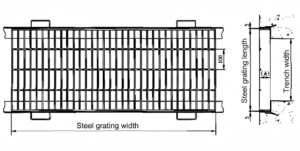
1.GT type trench cover:
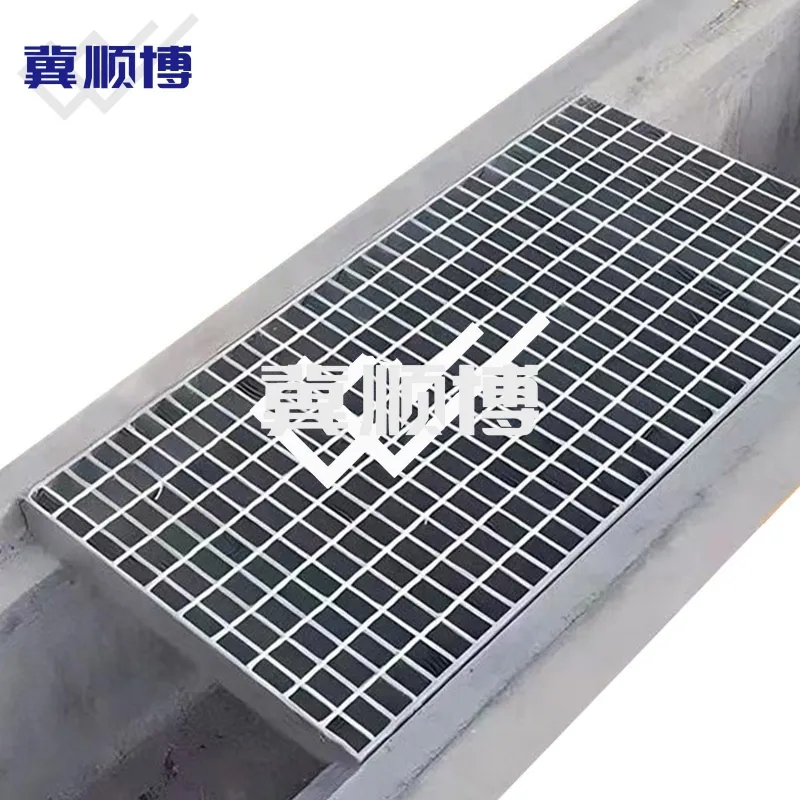
GT-type trench covers are suitable for use on roads other than highways, where traffic volume is generally low. When used as cross-ditch covers, the risk of the cover jumping up must be considered, and bolts should be used for fixing. They are suitable for trenches with supported rims (T-shaped trenches), where the rims are typically reinforced with angle steel.
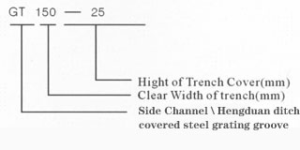
GT type trench cover marking:
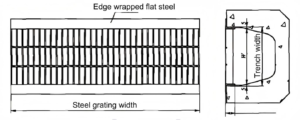
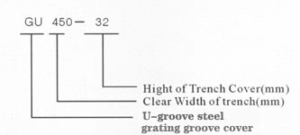
2.GU-type trench cover:
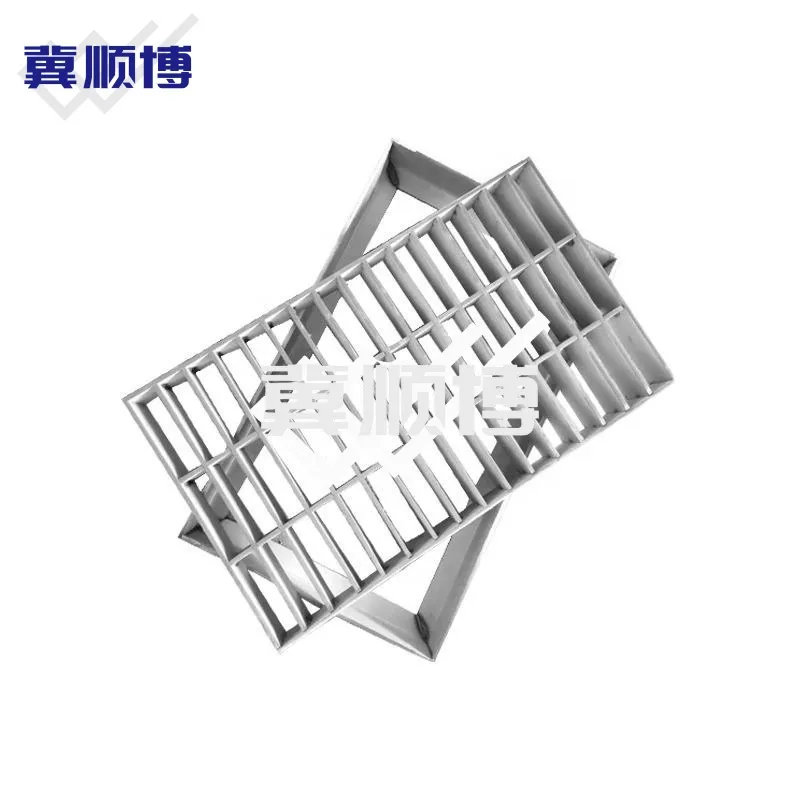
For ordinary concrete masonry trenches without rims, U-shaped trench covers are very simple and economical, requiring no special rims. For loads of T-6 and T-14, it is recommended to embed angle steel along the rim. Alternatively, prefabricated U-shaped trench blocks can be used to construct the trench, effectively preventing sewage leakage into the ground. When vehicles need to pass, GU-shaped trench covers are only suitable for side trenches.
GU-type trench cover marking:
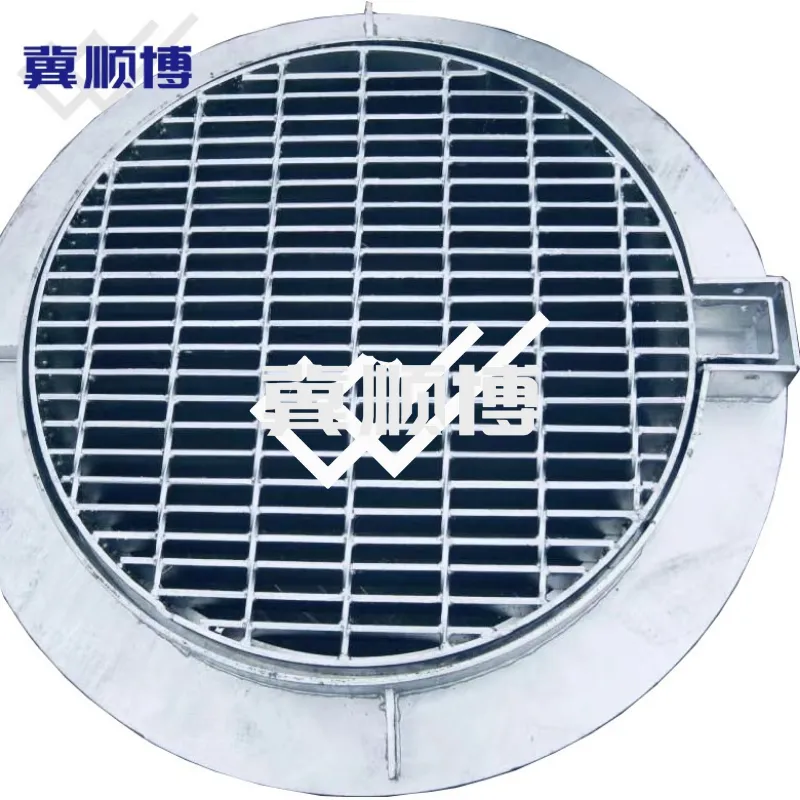
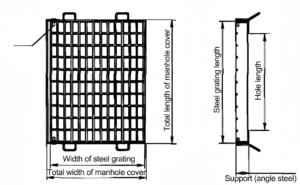
3.GM type manhole cover:
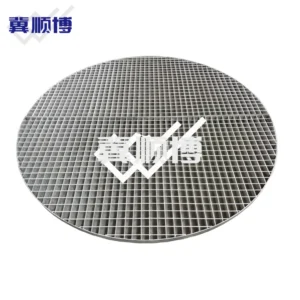
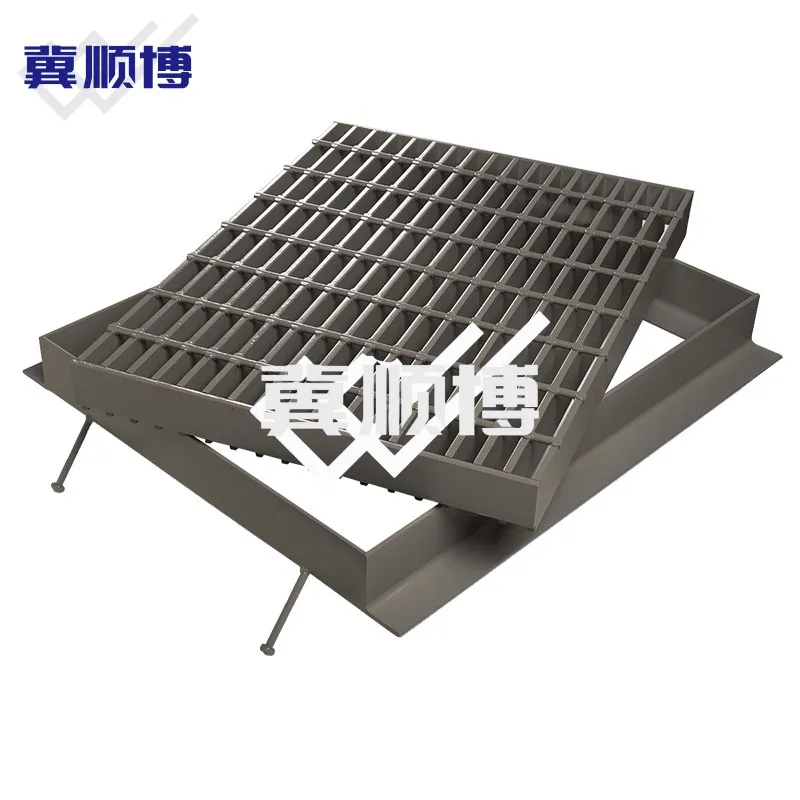
GM-type steel grating covers can be used for the covers of water supply and drainage wells, sedimentation wells, sewer wells, sewage wells, and other water supply and drainage wells, or air vents and manholes in municipal facilities such as roads and parks. GM-type steel grating covers can be designed to be coverable, and the opening and closing angle is usually 110°. Steel grating covers with hinged pins are not only theft-proof but also simplify the construction process.
Engineering Notes:
Stainless steel construction provides stable corrosion resistance under continuous water exposure, frequent wash-down, and chemical cleaning conditions. Proper bearing bar thickness and close spacing support pedestrian and service trolley loads while maintaining effective drainage flow. Pickled, brushed, or electropolished finishes reduce residue adhesion and simplify sanitation management in hygiene-sensitive environments. Custom cut or reinforced panels can be fabricated to suit trench layouts, removable inspection sections, or channel transitions. For areas subject to rolling loads or localized impact, reinforced frames or diagonal supports may be incorporated to improve load distribution and long-term structural stability.
3. Product Advantages
1.Stainless steel structure resists corrosion from water, detergents, and cleaning chemicals.
2.Smooth surface finish supports hygiene control and routine wash-down.
3.Stable drainage openings reduce standing water in processing areas.
4.Removable design simplifies inspection and maintenance.
4. Applications & Engineering Scenarios
1.Food and beverage processing lines, where drainage covers must tolerate frequent cleaning while limiting residue retention.
2.Commercial kitchens and dishwashing zones, requiring corrosion resistance and easy removal for sanitation checks.
3.Pharmaceutical and clean-room facilities, where material stability and surface cleanliness are critical.
4.Coastal or humid installations, where chloride exposure accelerates corrosion of carbon steel alternatives.
5. Quality Control & Performance
1.Stainless material grades verified by EN or ASTM certificates.
2.Weld integrity inspected to prevent crevice corrosion.
3.Surface finish checked for sharp edges and cleaning suitability.
4.Dimensional accuracy confirmed for channel fit and drainage alignment.
6. Factory Customization & Engineering Services
1.Grade selection support between 304 and 316 based on environment.
2.Channel-fit fabrication using drawings or on-site measurements.
3.Optional lifting handles or safety locking features.
4.Engineering assistance for hygiene-focused drainage layouts.
7. FAQ
Q: When should 316 stainless steel be selected instead of 304?
A: 316 is recommended for coastal areas, chemical exposure, or environments with chloride content.
Q: Can stainless steel gully grating handle vehicle loads?
A: It is mainly designed for pedestrian and light trolley traffic. Vehicle applications require load verification.
Q: Which surface finish is suitable for frequent cleaning?
A: Brushed or electropolished finishes reduce residue adhesion and simplify wash-down.
Q: Is stainless steel gully grating removable for inspection?
A: Yes. Drop-in or bolt-fixed designs allow quick removal without damaging the channel.
In summary, Stainless Steel Gully Grating provides superior corrosion resistance, hygiene, and cleanability for demanding drainage applications. Its durable stainless construction, customizable designs, and removable features ensure reliable performance, reduced maintenance, and compliance with strict sanitary and environmental standards in food, pharma, and coastal settings worldwide.