
Steel Grating Accessories – Fixing Methods
Steel grating can be fixed in various ways, each with specific application scenarios, advantages, and limitations. Shunbo Company can provide not only the following common fixing methods, but also customized fixing solutions designed by our engineering team according to special project conditions.
1. Welding Fixation
1.Applicable scenarios:
Suitable for permanent locations where disassembly is not required. Especially ideal for situations that demand extremely high stability, such as heavy industrial platforms, large warehouse rack platforms, etc. Welding is the preferred method when the grating is frequently subjected to vibration, impact, or other complex working conditions.
2.Disadvantages:
After welding, disassembly is relatively difficult. If later maintenance or partial replacement is needed, it may cause some damage to the surrounding structure.
3.Operation method:
Weld at the first bearing bar of each corner of the grating. Each weld should be no less than 20 mm long and the leg length no less than 3 mm (fillet weld).
For gratings that are frequently subjected to heavy loads or have longer panels, additional welding points may be added appropriately.
In areas where future disassembly is likely, electric welding is recommended.
After welding, to prevent rust at the welded area, apply two coats of zinc-rich silver paint for corrosion protection.
2. Installation Clip Fixation
1.Applicable scenarios:
Highly flexible method, suitable for situations where frequent disassembly and re-installation are required, or where welding marks/scar on the supporting beams are not allowed (such as sewage treatment plant maintenance platforms, chemical plant operation platforms, etc.).
Material can be hot-dip galvanized carbon steel or stainless steel.
Also suitable for projects with high aesthetic requirements, as installation clips leave no obvious welding traces on the grating surface.
Note: When using clips, regular inspection is recommended to prevent loosening. For gratings near strong vibration sources, welding or adding rubber pads is preferred.
2.Operation method:
First select the appropriate clip type according to grating size and supporting structure.
Common types include A-type (for fixing single panel), B-type (for connecting adjacent panels), etc.
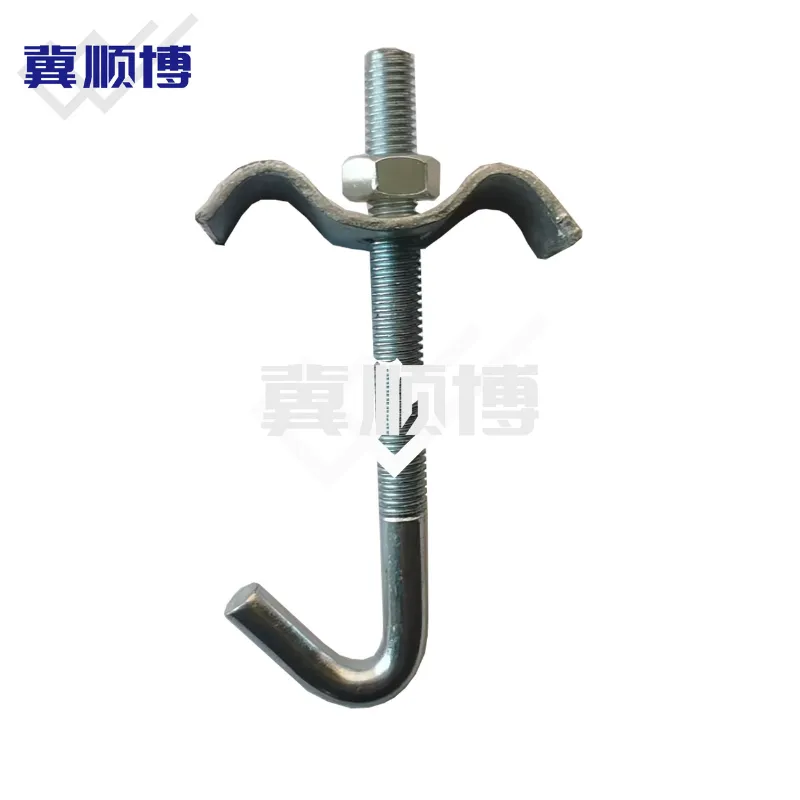
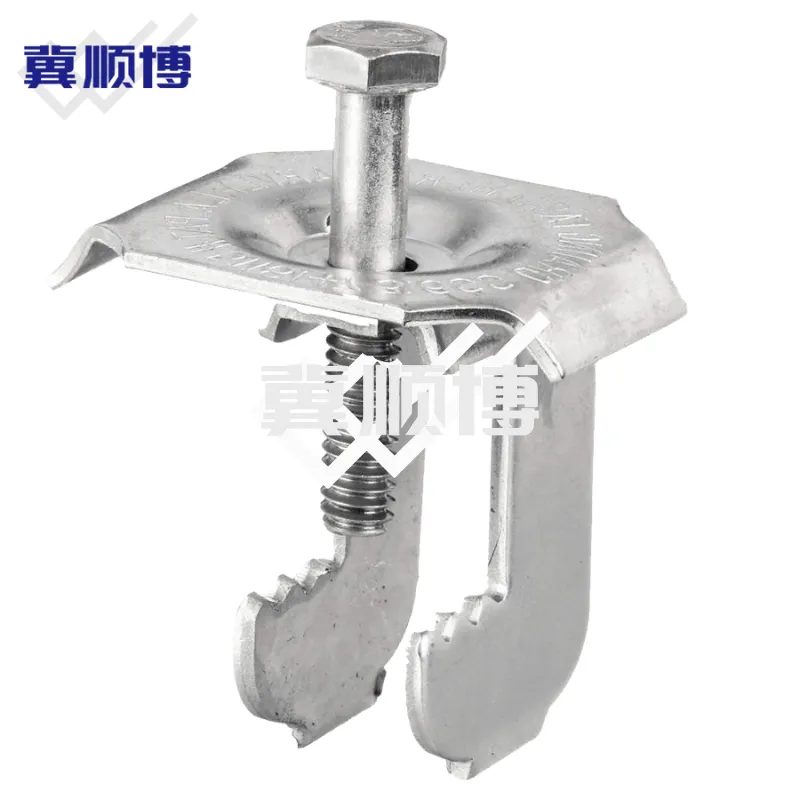
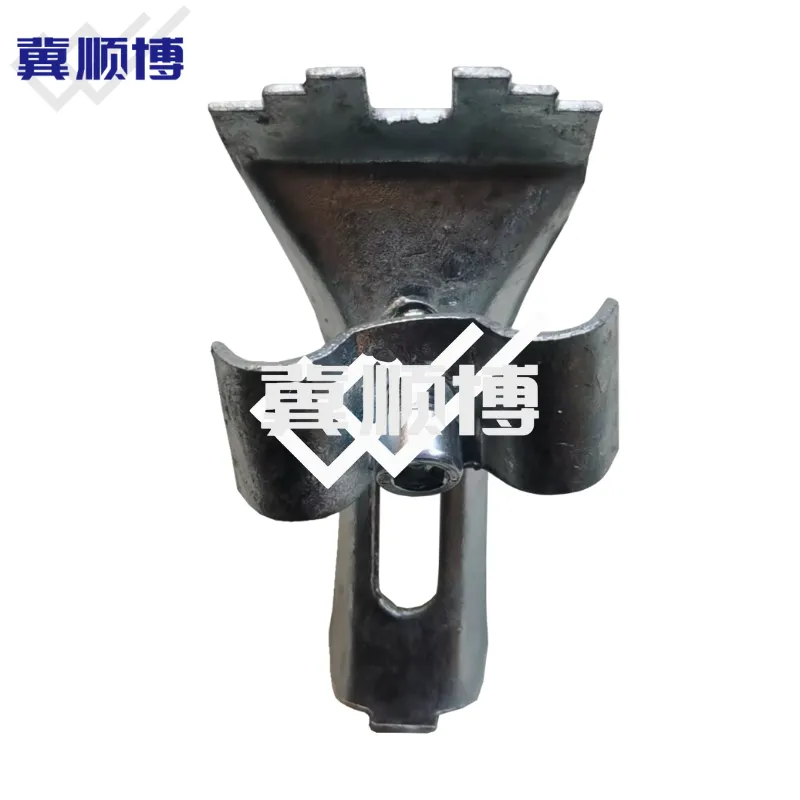
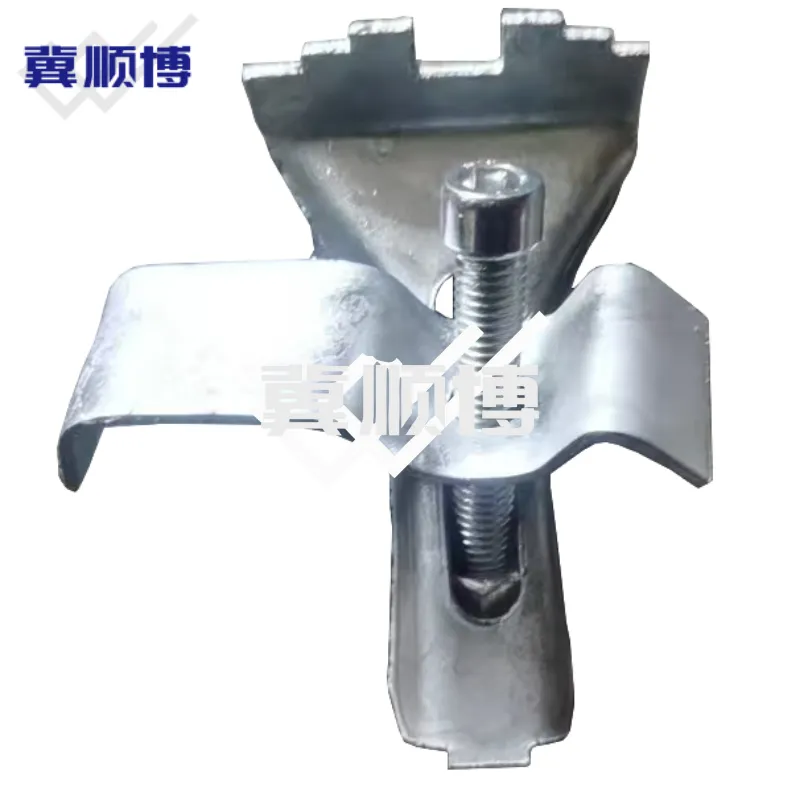
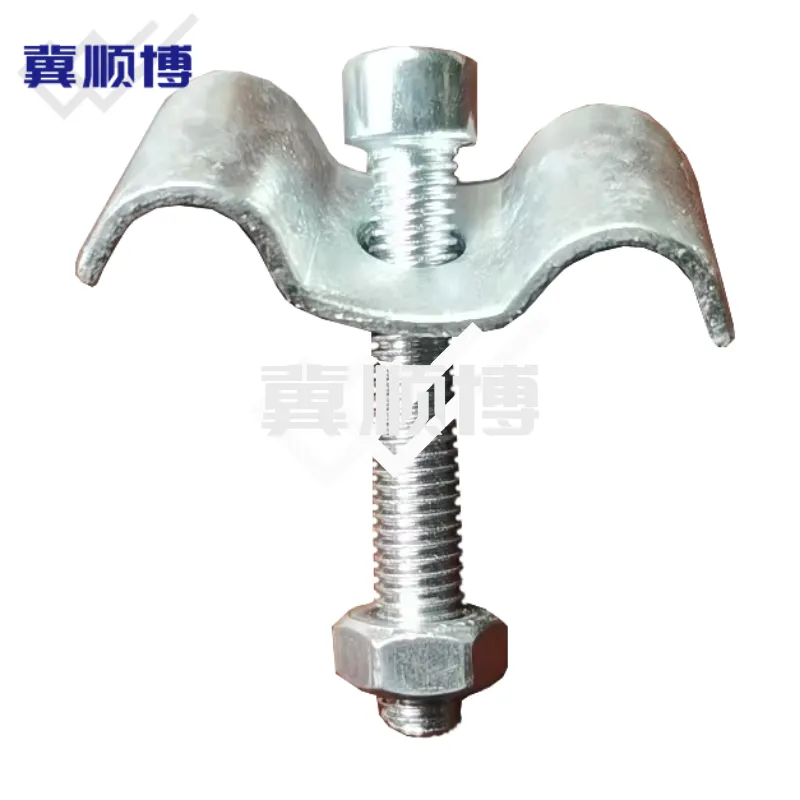
Most clips consist of upper and lower parts: the lower part clamps the flange of the steel beam, the upper part grips the twisted surface of the grating.
After positioning, tighten the clip evenly using bolts and nuts to avoid excessive local pressure.
Finally, check that the grating is firmly fixed with no looseness.
Common Clip Types
- “A” Clips
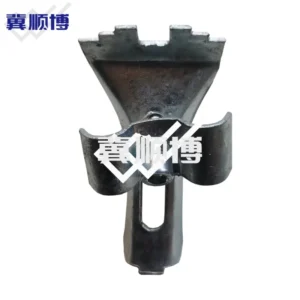
Suitable for fixing grating to H-beams, I-beams, channel steel, and angle steel (with correct orientation). No need to drill holes in the supporting beam.
- “B” Clips
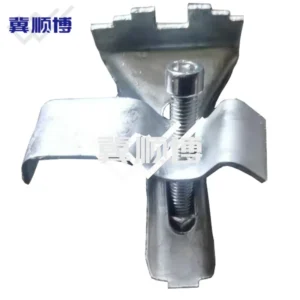
Used when two adjacent grating panels need to be connected and fixed. Suitable for H-beams, I-beams, etc. No drilling required.
- “C” Clips
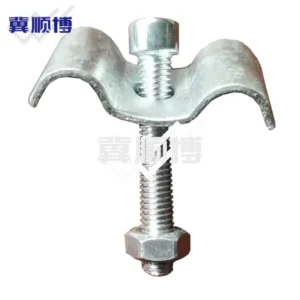
Suitable for square tube, channel steel, and angle steel supporting beams. Usually used with self-tapping screws.
Note: Requires drilling holes in the supporting beam. Not suitable when drilling is prohibited due to structural strength requirements.
- “G” Clips
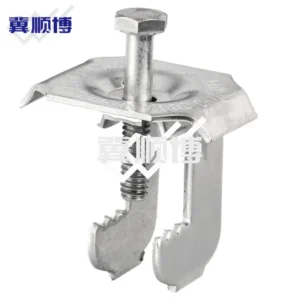
Faster and easier to install than “A” Clips, but more expensive.
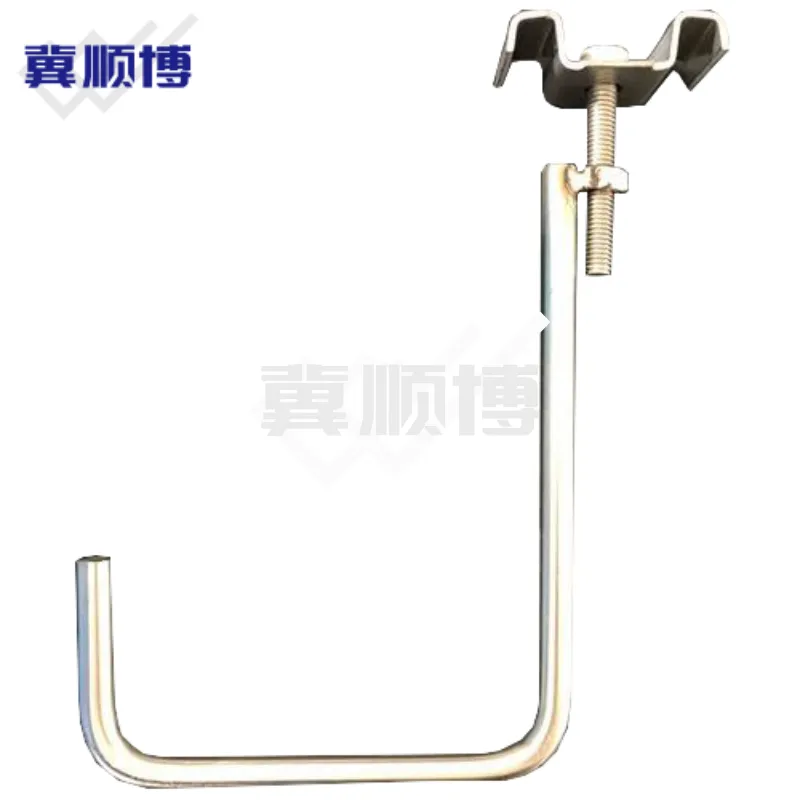
- “J” Clips
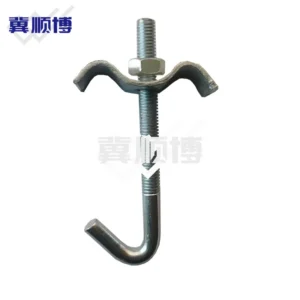
Suitable for square tube, channel steel, and angle steel. No need to drill holes in the supporting beam.
Available in two versions: straight J-clip and angled J-clip (angled type is used when bearing bars face outward).
More expensive than “C” Clips but avoids damaging the supporting beam structure.
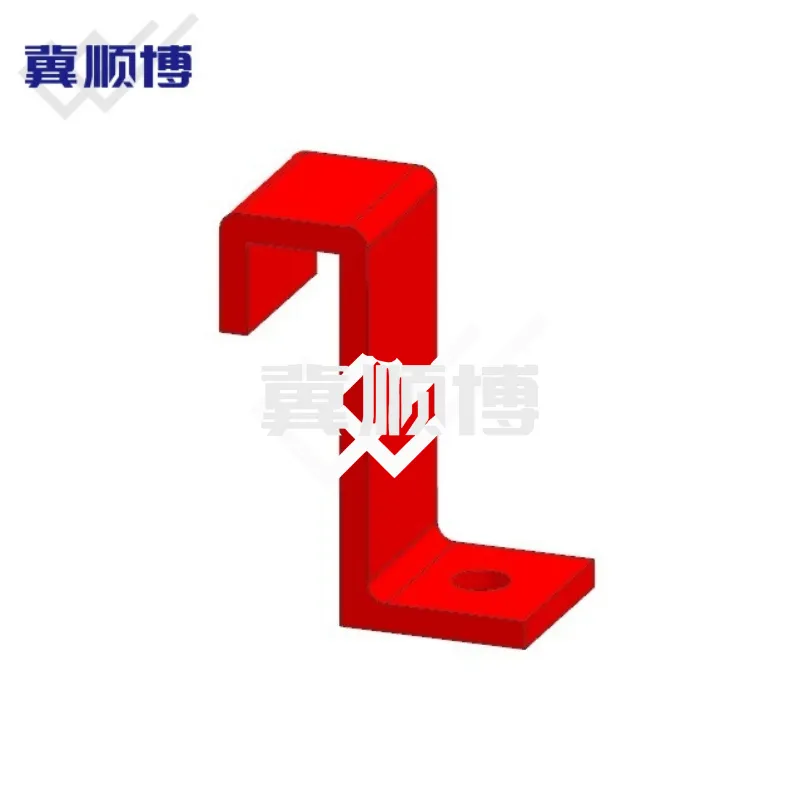
- “Z” Clips
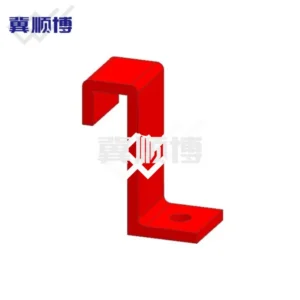
Especially useful for fixing press-locked / riveted grating. Fixed to the supporting beam by bolts.
- Weld Lugs
Used when the grating needs to be removable. Weld lugs are factory-welded onto the grating and then fixed with screws.
3. Powder-actuated Fastening (Cold Shooting Nails)
1.Applicable scenarios:
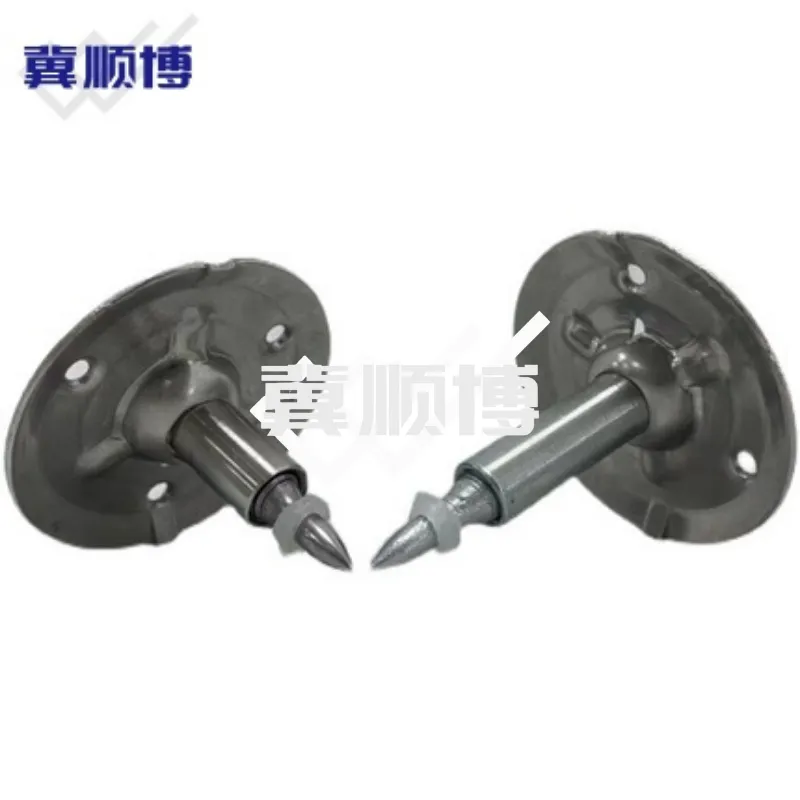
Suitable for both temporary and permanent fixation. Uses a powder-actuated tool to drive nails into the steel structure.
High installation efficiency, no welding or drilling required, and does not damage the anti-corrosion layer of the grating — beneficial for extending service life.
Note: Higher cost than clips, requires professional powder-actuated tool and nails.
2.Operation method:
Use a special powder-actuated tool to shoot the nail, releasing energy that drives the nail directly into the steel substrate, thus fixing the grating. Simple operation, strong fixing effect, and minimal damage to the grating.
4. Round Pin Fixation
In locations where grating needs to be frequently lifted for inspection and maintenance, round pins can be welded at the four corners where the grating contacts the supporting beam.
This prevents the grating from shifting while still allowing it to be easily lifted and removed when needed.
Use welding for maximum stability; clips or weld lugs for removable panels; powder‑actuated fasteners for rapid, non‑drilling installs; round pins to prevent shifting with easy lifting. Regularly check clip tightness near vibration sources and protect welded areas with zinc‑rich coatings.